
Spanish4Kiddos Blog

Spanish Safari Language Learning App
Spanish Safari is a fun language app for kids. Your students and kids can use a personal device to play interactive games while learning Spanish. The app encourages children to develop Spanish as they transition from one level to another. So, I asked Keli Garcia Allen about Spanish Safari and how children best learn Spanish with this app. … Membership Required You must be a member…...
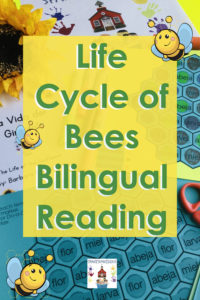
Life Cycle of Bees Bilingual Reading
Life cycle of bees is an essential part of life science lessons. Whether you teach this section in English, Spanish, or dual-language classes, your kids interact with different aspects of life cycles. Of course, there are other life cycles besides the bees, like butterflies and ladybugs. However, the life cycle of bees is a vital part of understanding pollination and crops.

Ladybug Bilingual Learning Activities
Ladybug bilingual learning activities are ideal lessons for young bilingual learners. Besides learning about insects, your students can learn about life cycles, habitats, and language skills. Many children might encounter ladybugs and seen the tiny spots. Perhaps, they might’ve seen them fly. However, ladybugs are wondrous creatures that help nature in many ways. In a simple bilingual lesson, your students can learn the incredible life……...

Recycling Bilingual Reading Activities for Kids
Recycling bilingual reading can integrate various activities. Besides the typical reading task you can find in most textbooks, you can create other fun ways that your students might find interesting. Of course, visiting recycling centers are the most fascinating. But that might not always be feasible. Instead, develop engaging lessons that can motivate your students to learn more than reduce, reuse, and recycle. … Membership Required…...
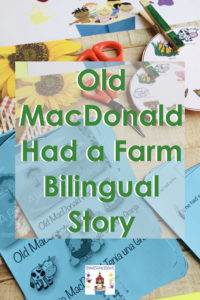
Old MacDonald Had a Farm Bilingual Story
Old MacDonald Had a Farm is probably one of the most beloved nursery rhymes. Whether you say it in English or Spanish, children enjoy reading the verses, singing to EIEIO, or just learning about farm animals. As with any Spanish nursery rhyme taking the time to read and practice reading, you boost your children’s literacy enrichment and language skills.

Spanish Syllable Segmentation in Bilingual Reading
Spanish syllable segmentation is a vital part of learning to read a text, just as crucial as learning to read English. While preschoolers might enjoy reading nursery rhymes with fun clapping and songs, Spanish-speaking students develop language differently. Many experts found that bilingual students tend to learn syllable segmentation first to learn to read. In contrast, English-speaking students learn to read with multiple methods like……...
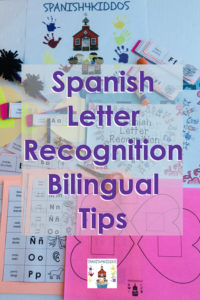
Bilingual Letter Recognition Activities
Bilingual letter recognition activities in English and Spanish might be an overwhelming task. You might think that you need double the lessons and activities to captivate your students’ attention. While most children need more support, creating bilingual activities that serve your class is worthwhile. Just as bilingual learners engage with letter recognition activities, monolingual learners also take up new additional language skills. … Membership Required You…...
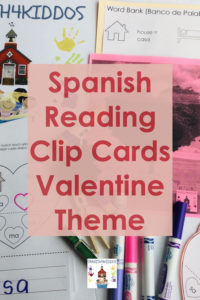
Spanish Reading Tips Using a Valentine Theme
Spanish reading tips can entail many ways to implement techniques to support dual-language and ELL students. What’s one way that can help students as they acquire a new language? Of course, you already do the fundamental tasks such as guided reading and using sight words. However, does phonics in Spanish play an essential role in bilingual reading?
Spanish Arctic Animals Bilingual Activities
Spanish arctic animals can involve learning more than bilingual terms. You can quickly add other activities to help your students learn about the arctic habitat, vocabulary, and reading. Aside from using traditional lessons, you can also use virtual field trips or interactive activities. That is, when you use a combination of learning tools, your students can learn more than Spanish arctic animal names.

Get Your Free Spanish Sight Words Workbook
Subscribe to our Spanish Sight Words newsletter and receive a free workbook. The booklet consists of writing practice, classroom labels, and activities.

Spanish Nursery Rhymes for Preschoolers
Subscribe and receive your Free Spanish Nursery Rhymes for Preschoolers Workbook.
