
Spanish4Kiddos Blog

Spanish lesson for kids: Learning the alphabet with pictures
Letters are like building blocks to make words. When we talk (either in Spanish or English) we use composite of letters and sounds to make new words. In fact, as we combine letters, we phonetically pronounce words. In Spanish, we use syllables, in many combinations, to form one, two, three, or even four syllable words. In many instances, Spanish syllables can be either weak or……...
Fun ways to use a flannel board to learn Spanish shapes and vocabulary
Flannel boards are great learning tools to use for storytelling. But it can also be used for displaying new vocabulary and shapes. It is so versatile that no homeschool classroom or preschool class can be without one. When using a flannel board, educators or parents can use very simple materials to make one. You can use a 11×6 inches board, which can easily fit in……...
How to make finger puppets by using homemade materials
Puppet shows can add dramatic flair to learning literature. Bilingual preschoolers can have fun making paper puppets to learn new Spanish words. What theme can you use for this activity? Any theme can work but using rabbits and Easter eggs can add fun to the project. To show children about the importance of storytelling, this activity shows them that they can tell stories or events……...

Poetry for kids: 3 literary Spanish poems to learn to rhyme
When it comes to learning new vocabulary, there’s no better way or more fun than a rhyming poem. In these literary genres, not only do children get to appreciate a rhyme and a story, but they also get lyrics to a song. When reading poems, children might either clap their hands to the syllable formation in the poem or they can use an instrument to follow……...
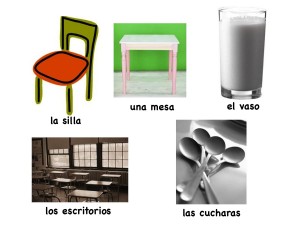
Learning Spanish grammar for beginners: 3 key punctuation and gender points
In learning Spanish grammar, have you noticed the different signs in Spanish such as questions marks, (¿?) and exclamation marks, (¡!), which appear at the beginning and end of questions or exclamations. These are used to either ask a question or express a concern. How are question and exclamation marks used in Spanish grammar? Let’s see how we use them: Can you please pass the salt?¿Me puedes……...
- « Previous
- 1
- …
- 6
- 7
- 8

Get Your Free Spanish Sight Words Workbook
Subscribe to our Spanish Sight Words newsletter and receive a free workbook. The booklet consists of writing practice, classroom labels, and activities.

Spanish Nursery Rhymes for Preschoolers
Subscribe and receive your Free Spanish Nursery Rhymes for Preschoolers Workbook.